In the world of food, where appearances really matter, professional imagery is a huge revenue driver. You’re competing with thousands of other images, and the quality of your shots could be the factor that turns a browser into a booking.
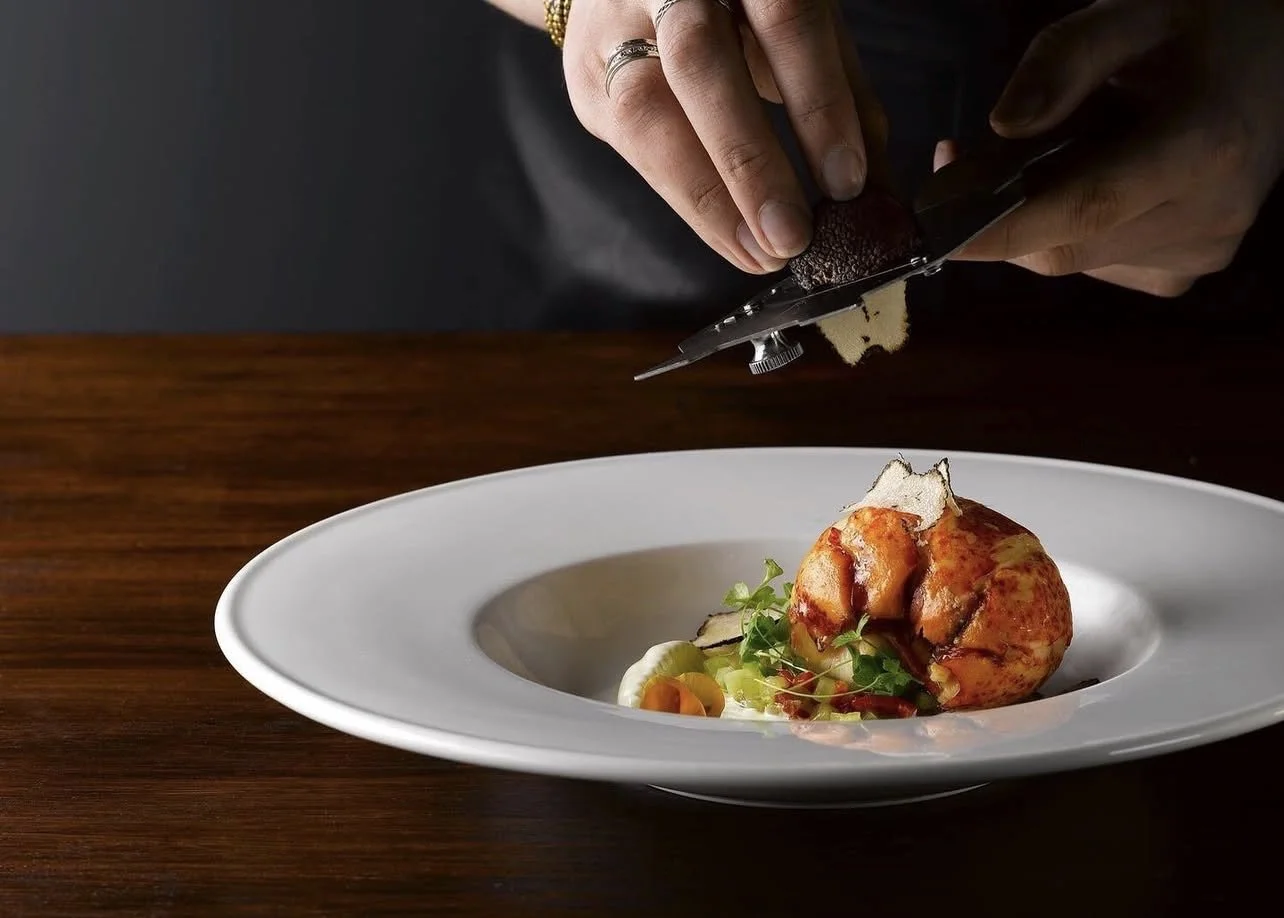
For the professionals behind those dishes, this shift highlights the growing commercial importance of the craft. The way a dish is lit, styled, and then captured often determines whether a viewer pauses to engage or scrolls past.
The numbers don’t lie
Booking and delivery platforms have spent years examining how people make food decisions online, and the results are remarkably consistent. Listings supported by high-quality photography receive significantly more clicks, longer viewing times, and higher conversion rates than those relying on text alone or quick phone snapshots. In fact, a study from Grubhub found that adding food photography to your menu page could help increase sales by 30%.
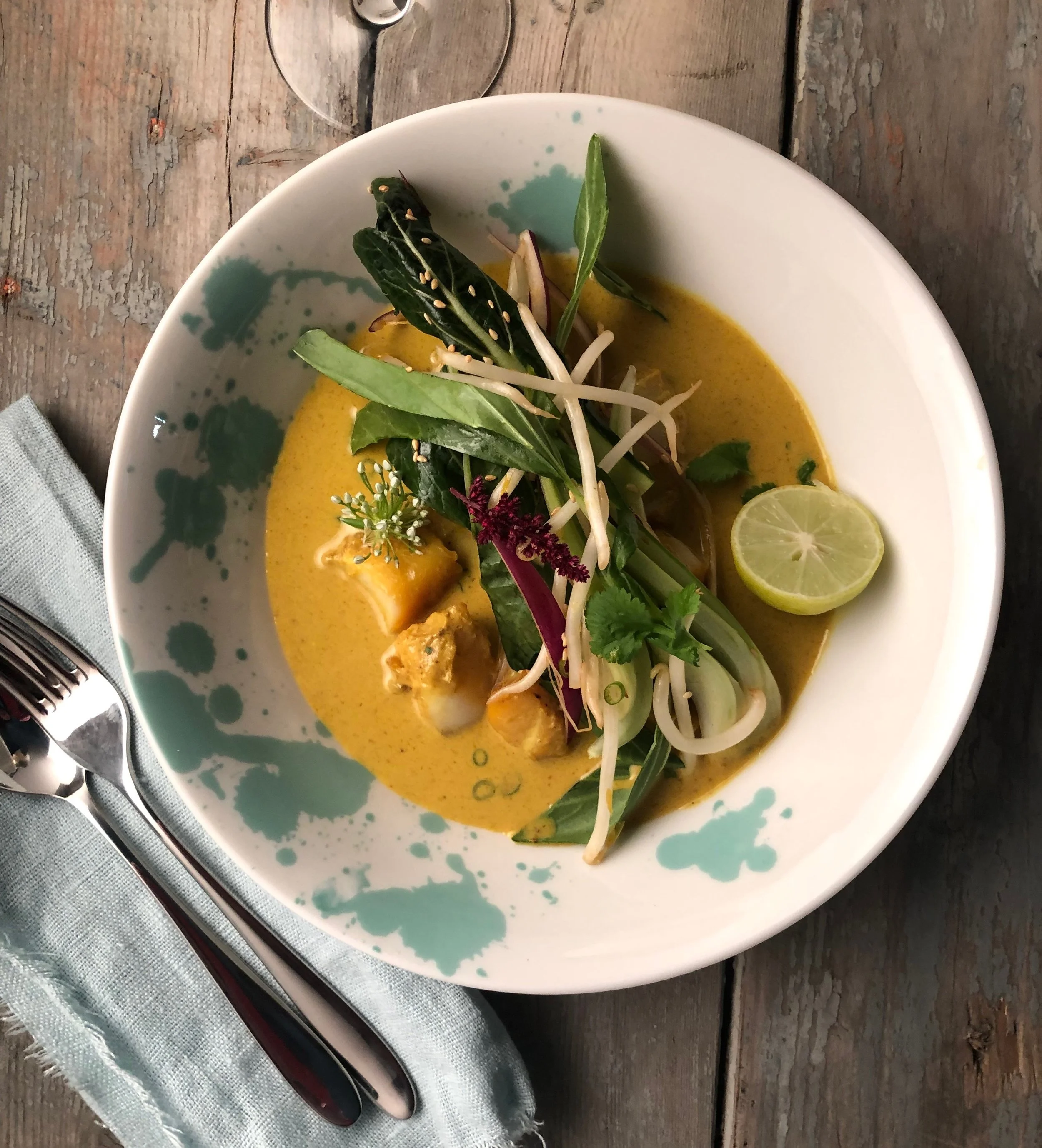
For the professionals behind those images, whether it’s food stylists, production teams or food photographers, this data reinforces something the industry has long understood: visuals directly influence commercial outcomes. A carefully lit shot of a slow-braised short rib, the glassy finish of a perfectly tempered chocolate tart, or the saturated colour of freshly plated summer vegetables shapes how viewers perceive the flavour and quality before they read a single description.
In private chef and catering markets, the same principle applies to enquiry-to-booking rates. When potential clients browse a portfolio or website gallery, they’re making quick judgements about your capability and reliability. Strong images that grab attention shorten that decision process by translating the work you’re producing into something visible on screen.
What viewers are really assessing when they look at your food images is credibility. Lighting, composition, texture, and surfaces and props all contribute to whether a dish feels desirable. A well-crafted photograph communicates precision, care, and professionalism long before a chef’s story or sourcing philosophy is read. It quietly answers the question every prospective client is asking: can this team deliver the experience I’m imagining?
Your digital presence is your storefront
Many chefs, stylists and food brands don’t have the luxury of a traditional storefront to attract attention. There’s not always that walk-past moment or window display that draws people in. You might be reliant on your website gallery, your Instagram grid or Google Business Profile listing to give the right impression.
This means that every image you put out in the world is doing commercial work on your behalf, or it’s not. A blurry, poorly lit shot taken in a rush after service doesn’t necessarily tell the story you hope it does. A carefully composed, styled shot of the same dish tells an entirely different one. The food may not have changed, but the perception of it from your customers, and by extension the perception of your brand, has.
Consistency across every platform
The challenge isn’t simply producing one great set of images and calling it a day. It’s maintaining a consistent visual identity across a fragmented set of platforms.
A potential client might first encounter your work through a sponsored post on Instagram, then visit your website, then check your listing on a booking platform, and finally look at recent customer reviews on Google. If the visual quality and tone are inconsistent at each of those touchpoints, you instantly erode their trust, and they look to book or order elsewhere.
Many restaurants are now producing a steady stream of short-form video content for social media and marketing campaigns. To maintain the necessary high standards across social media, increasingly brands are turning to the used market for professional equipment, allowing them to protect visual quality without stretching the marketing budget. Investing in used video cameras or dedicated mirrorless setups definitely affords internal teams the ability to capture the level of cinematic movement and depth that a smartphone cannot deliver. This enables daily updates to remain visually compelling and your digital storefront looks consistently high-end.
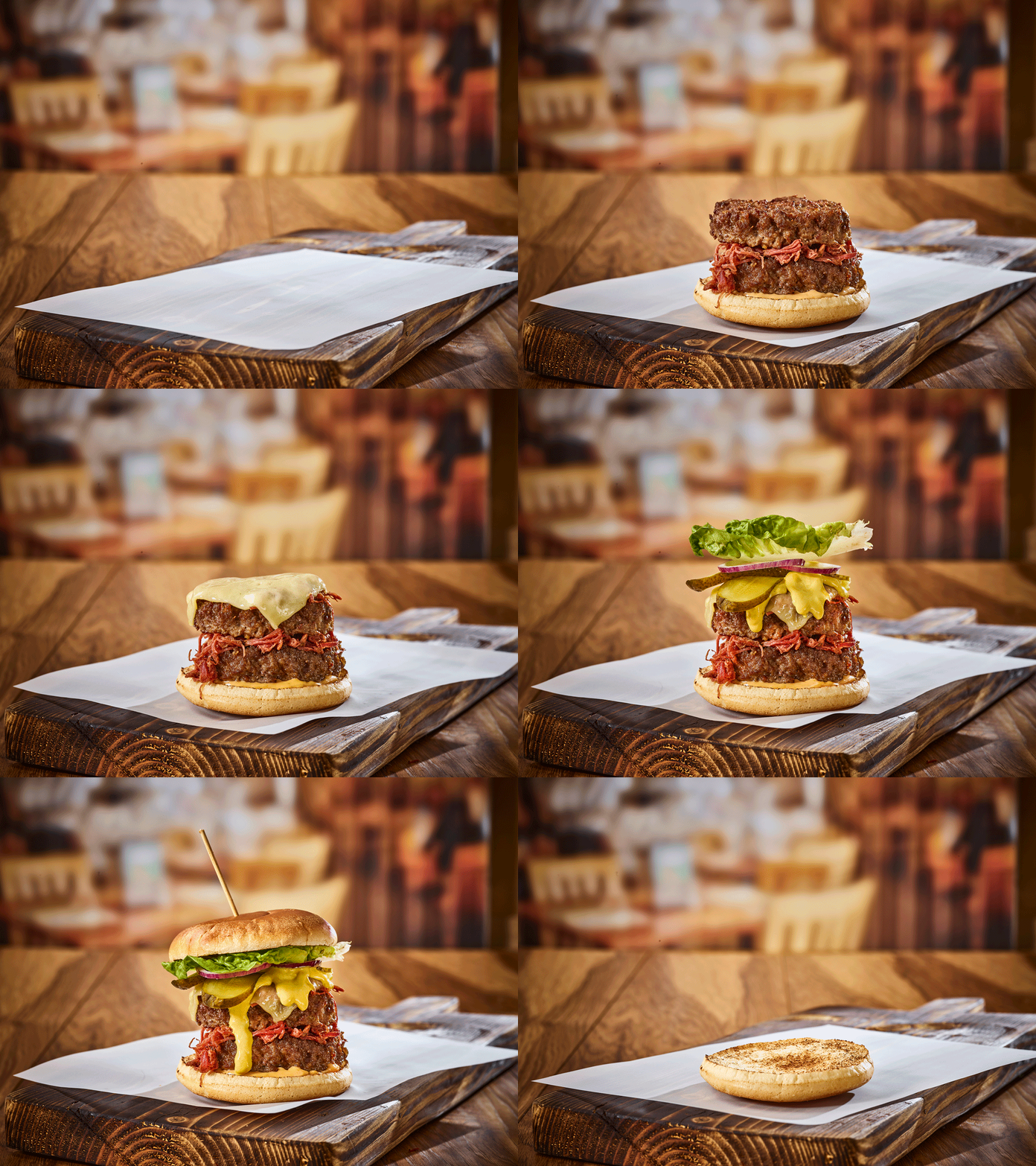
However, strong food imagery rarely happens by accident. It’s the result of collaboration between chefs, photographers, stylists and production teams, and an ongoing commitment to how your brand looks to the world. The most effective approach treats photography as a regular part of operations, building a library of images across different menus, seasons, settings, and events that can be deployed consistently wherever your audience finds you.
Showing the ingredients, not just the dish
One of the most underutilised aspects of professional food photography is its ability to communicate the quality of the ingredients you’re using. If you’re working with small farms, seasonal produce, or with foraged ingredient suppliers, photography helps to make all that visible. Images that show freshly foraged mushrooms, sea vegetables gathered along a coastline, or vegetables pulled directly from the soil create a visual connection between the plate and the landscape it came from.
Clients are buying an experience, a story, and a standard of care. Images that show the journey from exceptional ingredients to a finished plate give them confidence that the experience they are paying for will meet and exceed their expectations. That confidence translates directly into bookings over time.
The competitive reality
For the photographers, stylists, and production crews working in food today, this shift in consumer behaviour is significant. It’s the foundation everything else is built on. The clients you want are out there, and they’re making decisions based on what they see. Make sure what they see reflects the quality of what you do.